Social Media Is A Restaurant’s Most Reliable PR Tool
The restaurant PR landscape has changed dramatically. There was a time when introducing a seasonal menu or hiring a talented new chef might have been enough to land a feature in the local newspaper. Today, even excellent restaurants can struggle to earn meaningful editorial coverage.
That doesn’t mean public relations is less important. It means restaurant owners need to rethink where their publicity comes from and how they sustain it.
Social media, when managed strategically, has become one of the most reliable public relations tools a restaurant can have. Unlike traditional media, it lets restaurant owners tell their own stories consistently, build relationships with their audience, and keep their businesses visible long after the excitement of opening night fades.
But there’s an important distinction between simply posting on social media and using it as an effective PR channel.
The Changing Landscape of Restaurant Journalism in New Jersey
New Jersey has no shortage of restaurants worth writing about. What we have fewer of are media outlets with the time, staff, and resources to tell their stories.
The decline of local journalism is well documented. Newspapers have closed, newsrooms have shrunk, and publications have shifted resources toward digital coverage. Here in New Jersey, The Star-Ledger ended its print edition in 2025, and The Jersey Journal closed after more than 150 years.
Digital publications, independent journalists, and hyperlocal news organizations have stepped in to fill some of those gaps. But the overall landscape has changed, and opportunities for individual restaurant features are limited.
For restaurant owners, that means meaningful editorial coverage is harder to get than many realize.
You might be included in a roundup of the best Italian restaurants in New Jersey. You might make a list of restaurants offering Mother’s Day brunch, Valentine’s Day dinner, or Thanksgiving catering. Those mentions are valuable, particularly when they come from respected publications.
But a list mention isn’t the same as a feature story that explores your restaurant, introduces your chef, explains your philosophy, and gives readers a reason to care about your business.
And those in-depth stories are increasingly difficult to secure.
Good Food Isn’t Always a News Story
Here’s something restaurant owners don’t always want to hear: Serving excellent food doesn’t automatically make your restaurant newsworthy.
Neither does introducing a fall menu, adding a few new cocktails, or announcing a holiday dinner special.
Those things matter to your customers, but they’re not necessarily compelling stories for an editor with limited space and dozens of pitches competing for attention.
Restaurants with over-the-top holiday decorations, outrageous menu creations, celebrity connections, or something particularly unusual may have an easier time capturing media attention. They’re offering something visually striking, timely, or unexpected.
But what about the neighborhood restaurant consistently turning out beautiful food? The chef quietly creating exceptional seasonal dishes? The family-owned business celebrating another successful year?
These are stories worth telling, too. They just may not be stories a traditional media outlet has the resources or editorial incentive to cover.
That’s where your own marketing needs to become your public relations.
We See Both Sides of Restaurant PR
At Foxtrot Media, we have a unique perspective on this challenge because we don’t just pitch restaurant stories to the media. We also own JerseyBites.com, a New Jersey food publication that’s been covering the state’s restaurant scene since 2007.
We receive pitches from public relations agencies and restaurant representatives virtually every day. And here’s something worth understanding: Many of those pitches simply aren’t newsworthy, even to a publication dedicated entirely to New Jersey restaurants.
A new seasonal menu, a weekly special, or adding a few cocktails might matter to the restaurant, but that doesn’t automatically make it an editorial story. Even a well-written press release can’t manufacture newsworthiness where there isn’t any.
That doesn’t mean the information isn’t valuable. It means the audience and the delivery method need to be different.
Your customers absolutely want to know about that new fall menu. They might love seeing your chef prepare a seasonal dish or watching your bartender introduce a creative cocktail. Those are terrific stories for your social media channels, email newsletter, and website.
Not every restaurant announcement deserves a feature article. But that doesn’t mean it doesn’t deserve an audience.
Understanding that distinction is one of the most important parts of an effective restaurant PR strategy.
Your Social Media Channels Are Your Own PR Platform
Traditional PR depends on someone else deciding your story is worth sharing.
Social media puts that decision in your hands.
You don’t need a journalist’s approval to introduce your new executive chef. You don’t need an editor to assign a story about your seasonal menu. And you don’t need a television producer to decide whether your restaurant’s atmosphere is interesting enough to feature.
You can tell those stories yourself.
Think about what effective restaurant PR should accomplish. It builds awareness, establishes credibility, shapes public perception, keeps your business relevant, and gives people reasons to visit.
A well-executed social media strategy can do all of that consistently.
And unlike an occasional press mention, your social media channels are available to you every day.
The publicity surrounding a restaurant opening might last a few weeks. Your social media presence needs to work for you for years.
Of course, owning the channel doesn’t guarantee that everyone will see your content. Algorithms, competition, and changing consumer habits all affect reach. But having a consistent, compelling presence gives you a reliable way to keep communicating your story, without waiting for someone else to publish it.
Posting Isn’t the Same as Public Relations
This is where many restaurants miss the opportunity.
Their Instagram and Facebook feeds become a collection of promotional flyers, holiday announcements, event graphics, and reminders about weekly specials.
There’s nothing inherently wrong with promotional graphics, including AI-generated designs. They can communicate information quickly and fit into a balanced content strategy.
But a feed dominated by graphics often overlooks a restaurant’s most compelling marketing asset: the restaurant itself.
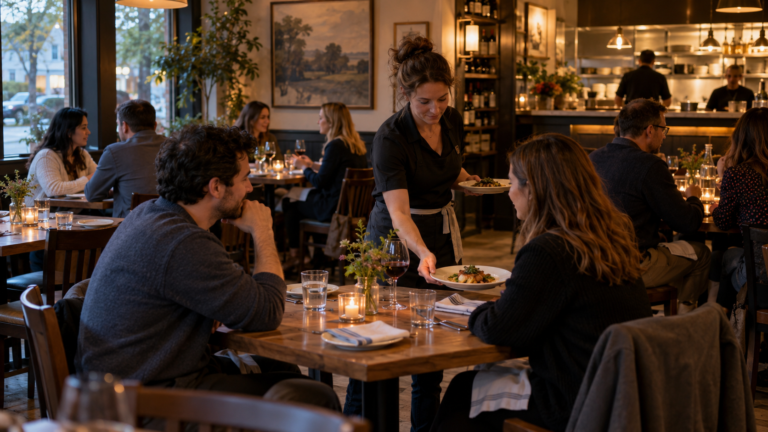
People want to see the food. They want to experience the atmosphere. They want to know who’s cooking, who’s behind the bar, and what makes the place special. This requires thoughtful planning, strong photography and video, consistent execution, and an understanding of what audiences find interesting.
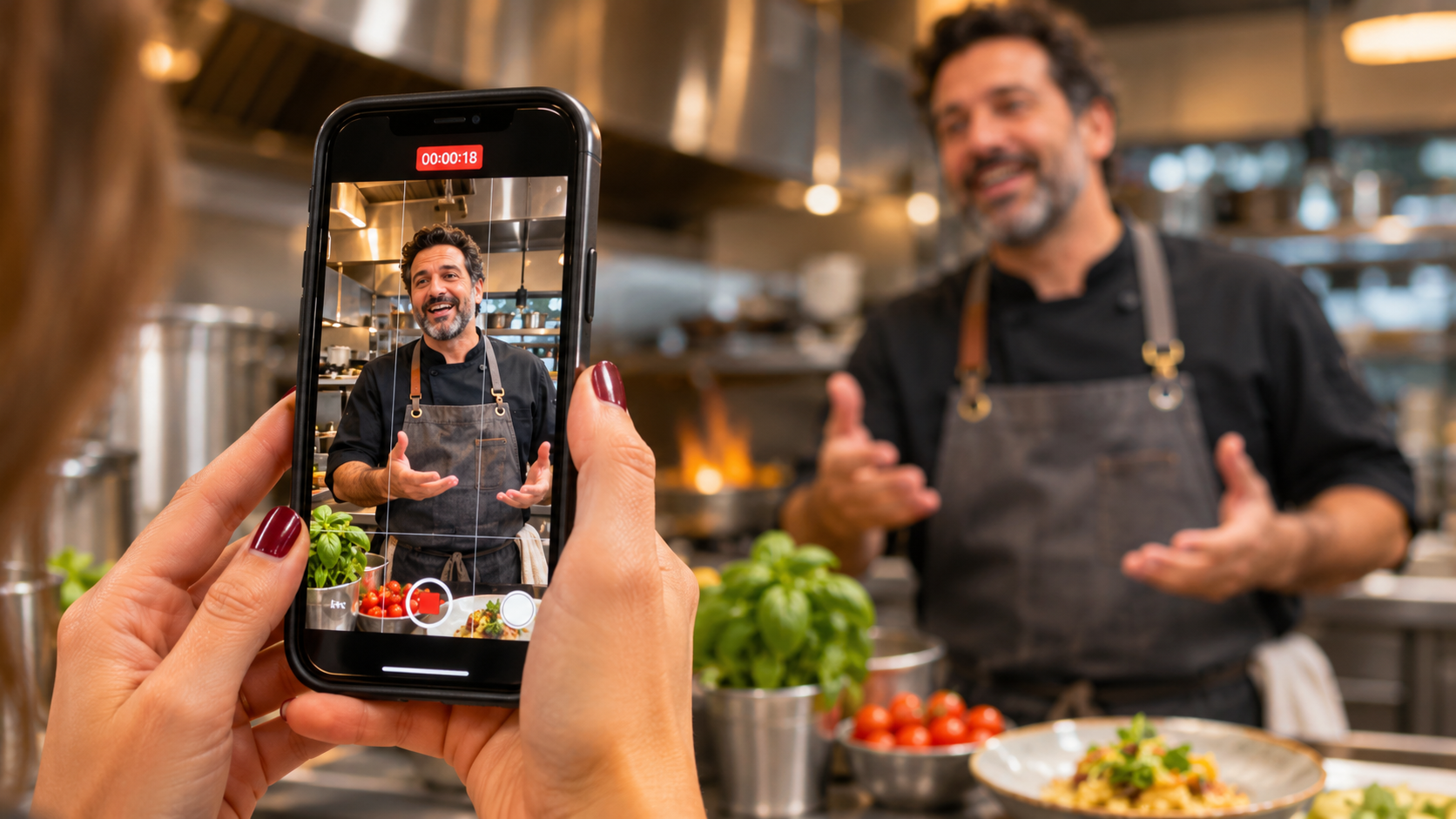
A beautifully photographed entrée can make someone hungry. A short video of a bartender creating a cocktail can make someone want to pull up a seat. A chef explaining a signature dish can communicate passion and expertise that a promotional graphic simply can’t capture.
Those moments tell a story.
And storytelling is at the heart of public relations. Putting this into practice takes time, planning, and consistent execution. Our restaurant social media services combine original photography and video, storytelling, publishing, and community management to keep your restaurant’s story moving.
What Does Restaurant PR Look Like on Social Media?
Consider the opportunities restaurants have every week to create their own publicity:
- A new seasonal menu becomes a Reel featuring the chef preparing a standout dish and explaining the ingredients.
- A trip to a local farm to pick up fresh ingredients becomes a behind-the-scenes story about the relationships, sourcing, and commitment to quality that make your restaurant special.
- A cocktail program becomes a recurring series introducing the bartenders and their creations.
- Live entertainment becomes an opportunity to showcase the atmosphere guests can expect on a Friday night.
- A special event becomes more than a flyer when guests can see the experience they’re being invited to enjoy.
- A loved team member becomes an introduction that puts a face and personality behind the business.
None of these stories requires a news outlet to pick them up.
They do require thoughtful planning, strong photography and video, consistent execution, and an understanding of what audiences find interesting.
That’s the difference between maintaining a social media account and using social media strategically as public relations.
Where Influencers Fit Into the New Restaurant PR Landscape
Let’s talk about influencers, because the term still makes some restaurant owners cringe.
Yes, some influencers approach restaurants expecting complimentary meals in exchange for questionable exposure. Some accounts have inflated follower counts, audiences with little connection to the restaurant’s market, and content that offers minimal value.
But dismissing influencer marketing altogether is a mistake.
The good ones have built something that traditional media outlets have always valued: an audience that trusts their recommendations.
A respected local creator can introduce your restaurant to thousands of people who actively follow that account for recommendations.
And in many cases, that audience is far more relevant than the audience of a large publication with readers scattered across the state or country.
The key is choosing the right partners.
A New Jersey restaurant doesn’t necessarily need an influencer with 500,000 followers. It may benefit far more from someone with 10,000 engaged followers who live, work, and dine within a reasonable distance of the restaurant.
Look beyond follower counts. Consider content quality, audience location, engagement, the creator’s credibility, and whether their style aligns with your restaurant.
Influencers also bring something else to the table: content creation.
A talented creator can produce photography, Reels, and storytelling that introduces your restaurant to a new audience while giving you opportunities to collaborate and extend the content’s reach.
Influencers Aren’t a Replacement for Traditional PR
They are another important piece of a modern restaurant PR strategy.
Traditional media coverage still carries credibility and can provide valuable search visibility, backlinks, and long-term recognition. An independently reported feature can offer third-party validation that a restaurant’s own posts cannot.
Influencer partnerships offer access to established audiences and trusted personalities.
Your restaurant’s social media provides the consistent, ongoing communication that ties everything together.
Ideally, these efforts work in concert.
A feature article can be shared across your social channels. An influencer collaboration can introduce your restaurant to new potential followers. Those new followers can then continue seeing your food, events, people, and experiences long after the original collaboration.
That’s how a single publicity opportunity becomes part of a longer-term marketing strategy.
Paid influencer partnerships should also be clearly disclosed. Transparency protects the creator’s credibility and helps preserve the trust that makes influencer marketing valuable in the first place.
Don’t Let Your PR Strategy End After Your Grand Opening
Restaurant openings tend to generate the most attention.
There’s a new concept to introduce, a space to reveal, a chef to meet, and a reason for local publications to take notice.
But what happens six months later?
The opening articles are old news. The initial curiosity has settled. The restaurant is no longer the newest place in town.
This is when consistent social media becomes especially important.
Your restaurant still needs to attract new guests, remind existing customers why they love you, promote experiences beyond the everyday dinner reservation, and remain competitive in a crowded market.
And it needs to do those things without relying on the next newspaper feature.
A restaurant that treats social media as ongoing PR doesn’t wait for a major announcement to communicate with its audience. It continually creates reasons for people to pay attention.
Social Media Also Supports Your Restaurant’s Search Visibility
The benefits of consistent restaurant storytelling extend beyond Instagram and Facebook.
Your website, Google Business Profile, online reviews, and local search presence all contribute to how potential customers discover and evaluate your restaurant.
Strong social content can support this broader digital presence by creating awareness, generating branded searches, encouraging website visits, and giving people more reasons to explore your business.
The same photography, videos, chef interviews, and restaurant stories can also be repurposed into website content, email newsletters, Google Business Profile updates, and other marketing channels.
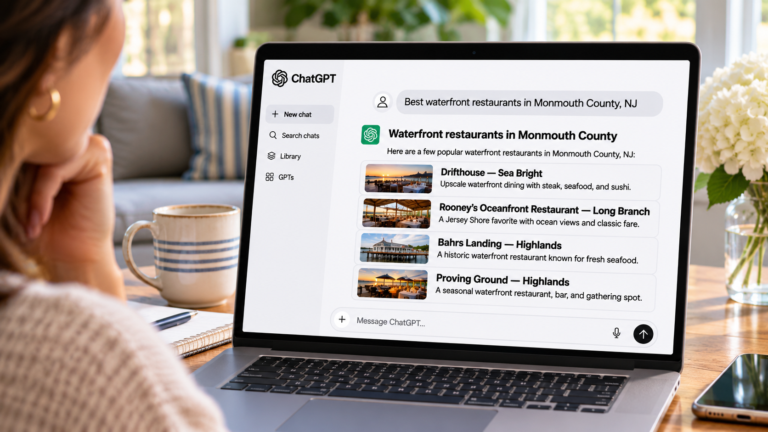
As AI-powered search tools become part of how consumers research restaurants, having clear, accurate, accessible information about your restaurant across the web is increasingly important.
Social media alone won’t guarantee stronger Google rankings or AI recommendations. But when it’s part of a coordinated strategy that includes your website, local SEO, public relations, and consistent business information, it helps reinforce your restaurant’s identity and visibility.
The Most Reliable PR Strategy Is the One You Can Sustain
None of this means restaurants should stop pursuing traditional media coverage.
Quite the opposite.
A meaningful feature in a respected publication is still valuable, and strong media relationships remain an important part of restaurant marketing.
But relying exclusively on journalists to tell your story is no longer a realistic long-term PR strategy.
There are fewer opportunities for in-depth coverage, more restaurants competing for attention, and no guarantee that even a compelling pitch will result in an article.
What you can control is how consistently and effectively you communicate with and grow your own audience.
Your restaurant has stories worth telling every week. The challenge is recognizing those stories, presenting them in an engaging way, and getting them in front of the right people.
Traditional PR gets other people talking about your restaurant. Great social media keeps the conversation going.
And in today’s media landscape, that voice may be your most valuable ongoing public relations asset.
Put Your Restaurant’s Story to Work
At Foxtrot Media, we approach restaurant marketing with a public relations mindset. Social media isn’t simply about filling a posting calendar. It’s about building a restaurant’s reputation, creating meaningful connections with diners, and turning everyday experiences into opportunities for visibility.
We combine restaurant social media management, professional photography and video, traditional PR, influencer outreach, local SEO, and targeted advertising to help New Jersey restaurants stay relevant long after the initial buzz wears off.
Our experience also includes nearly 20 years of restaurant journalism through JerseyBites.com, giving us a unique perspective on what makes a restaurant story compelling for both the media and diners.
Your restaurant doesn’t need to make headlines every week to stay top of mind. It needs a strategy that keeps telling its story.
Ready to make your social media work harder for your restaurant? Contact Foxtrot Media to discuss how we can turn your everyday restaurant experiences into ongoing publicity that builds awareness, engagement, and business.
More from Our Blog