
How Much Should My Restaurant Budget for Marketing?
For an independent restaurant ready to invest in consistent marketing, I recommend a monthly budget of $2,000 to $3,000. Depending on the scope of services, that can cover a Foxtrot Media retainer and leave room for Meta ads, influencer collaborations, and other paid opportunities.
This is a practical recommendation based on the work we do with restaurants, not a universal industry average. Your goals, location, competition, and current marketing all influence what you need.
I founded Foxtrot Media in 2010, after launching JerseyBites.com in 2007. Working on both sides of restaurant promotion has reinforced something I tell owners: serving a great meal matters, but you also need to keep giving people reasons to walk through your door. As a restaurant marketing agency in New Jersey, we help owners build consistent marketing programs that give diners reasons to visit—and return.
Why Even Established Restaurants Need Marketing
Competition is everywhere. Consumers have limited discretionary dollars to spend on dining out, and plenty of restaurants compete for them.
Your job is to remind people you are there and give them a reason to invest in a night out at your restaurant.
Word of mouth is valuable. But think about how often someone mentions a restaurant they like and hears, “Oh, I haven’t been there in ages.”
Those people already know you. They may have enjoyed every visit. They simply stopped thinking about you when it was time to choose where to eat.
Marketing helps bring your restaurant back into that decision. A new dish, an inviting patio, a compelling dinner special, or a reminder of a favorite experience can give someone a reason to return.
You need to attract new guests and continually win back the ones who already know you.
What Should a Restaurant Marketing Budget Cover?
A useful budget covers consistent work and opportunities to put that work in front of more people.
Strategy and Ongoing Marketing Support
Someone needs to decide what to promote, create the content, keep it current, coordinate campaigns, and review performance.
If you handle marketing yourself, it still costs time. Consider whether you can sustain it while managing staffing, service, purchasing, and everything else that comes with running a restaurant.
When comparing agencies, ask what the retainer actually includes. Posting frequency alone tells you very little about the strategy, content quality, or support you will receive.
Photography and Video
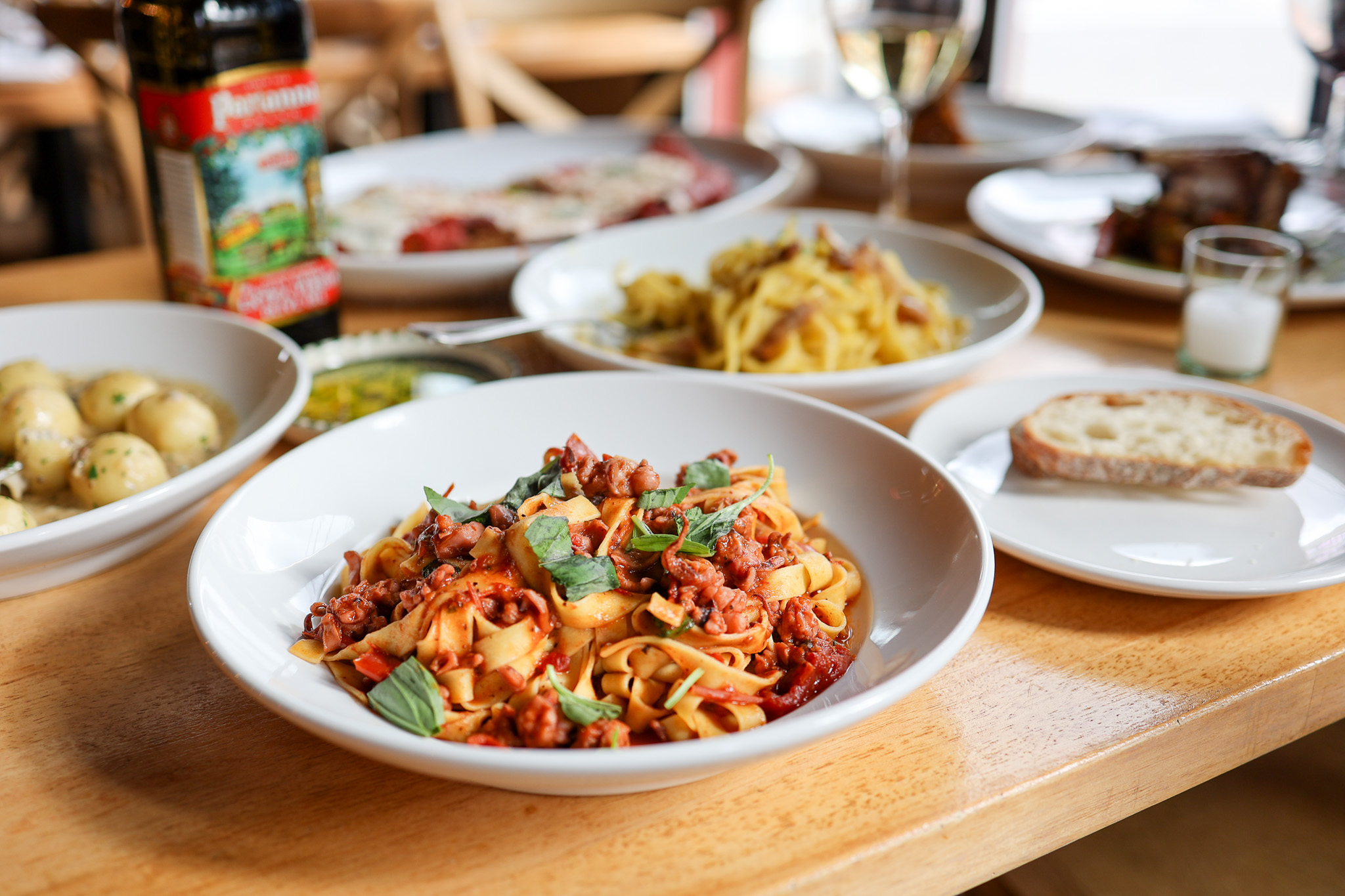
People need to see what makes a visit appealing: the food, drinks, room, hospitality, and experience.
Photography and videography are included in our Foxtrot Media retainers, so clients do not need to treat them as a separate production expense. When comparing proposals, check whether content capture is included, how often it happens, and what you receive.
Meta Advertising
Set aside money to distribute your message through Facebook and Instagram ads. Creating content and paying to reach an audience are separate budget items.
Give each campaign a purpose. You might want to bring people to a menu page, promote a special event, or introduce the restaurant to nearby diners.
Ask whether quoted advertising costs include the money paid to Meta, campaign management, or both.
Influencer Collaborations and Other Paid Opportunities
Influencer visits, sponsored editorial coverage, and local advertising can introduce your restaurant to relevant audiences.
Budget for creator fees, where applicable, plus the food, beverages, and staff time involved in hosting. A complimentary meal is still a business expense.
Choose opportunities based on audience fit and work quality. A large follower count alone does not tell you whether a creator reaches people likely to visit your restaurant.
How to Plan Around a $2,000–$3,000 Monthly Budget
Start with the ongoing services your restaurant needs. Then identify how much remains for advertising and collaborations.
Before approving a plan, make sure you can answer these questions:
- What does the monthly retainer include?
- Are photography and video included?
- How much money will go directly toward advertising?
- Are influencer fees and hosted meals accounted for?
- What business goal will each campaign support?
- How will performance be reviewed?
Some months may call for more advertising. Others may offer a strong collaboration opportunity. The allocation can change while the overall budget stays predictable.
A grand opening or major relaunch may also need a separate campaign budget. Don’t assume every launch expense fits into your regular monthly spending.
If $2,000 is beyond your current means, start with a smaller, focused plan you can sustain. Choose a clear goal, assign responsibility, and track the result. Trying to do everything inconsistently makes it harder to learn what deserves more investment.
What A Recent Influencer Campaign Shows
Our influencer campaign for Paragon in Clark, New Jersey, illustrates how coordinated outreach can generate attention for a restaurant.
In the campaign snapshot compiled in mid-October 2026, the documented content included:
- 15 posts: 11 Reels and four photo posts.
- 180,979 combined views.
- Approximately 7,800 engagement actions.
- $500 in creator fees, with the other documented visits arranged as hosted dining experiences.
These totals included reported cross-posted content and excluded Stories and other content that had not been tallied. Combined views represent views across the content, rather than a count of individual people reached.
The $500 was the creator payment, rather than the full campaign cost. Hosted meals and agency management were additional investments.
For an owner deciding whether influencer marketing belongs in the budget, this is a useful example of the visibility a campaign can produce. It also shows why costs need to be stated clearly.
Those results don’t show how many reservations or sales the campaign generated. To assess the business return, we also need to look at what happened after people saw the content.
How Do You Measure Restaurant Marketing ROI?

We look at the whole picture. Are Meta ads bringing people to your website? Is your team seeing new faces in the dining room? Are sales increasing? Are you earning press coverage, awards, and recognition that give people more reasons to choose your restaurant?
Those results work together, but they tell us different things.
Website Visits Show Interest
Visits from Meta ads can show that people are taking the next step to learn about your restaurant.
Look at where they land and what they do next. Menu visits, reservation actions, and event inquiries provide more context than total traffic alone.
Use campaign tracking links and website analytics where available. An ad click and a completed website visit are different measurements, so be clear about which one you are reporting.
New Guests and Returning Customers Show Movement
Ask guests how they heard about you and give staff a simple way to record the answers.
Someone may mention an influencer video, an article, or an ad. Others may say they remembered you after seeing a post.
These answers will not capture every influence on a visit, but they help connect marketing activity with what your team sees in the restaurant.
Sales and Profitability Show Business Impact
Sales growth matters, especially when it supports your goal: filling a quieter night, increasing private events, or bringing more people in for lunch.
Compare results with an appropriate baseline and account for seasonality, holidays, price changes, and operational changes. A sales increase does not automatically mean marketing caused all of it.
Revenue also needs to cover the cost of serving those additional guests. Assess the contribution those sales make after related costs, then compare it with the marketing investment. Extra revenue alone is not the same as a profitable return.
Press, Awards, and Recognition Build Credibility
Recognition gives people another reason to consider your restaurant and gives you useful material to share through your own channels.
It belongs in the performance discussion alongside traffic, guest feedback, and sales. It signals growing visibility and credibility, rather than proof of a specific dollar return.
Someone might discover you through an influencer, read an article, see an ad, and then book a table. Each interaction can play a part, even when you can’t neatly credit the final reservation to one source.
How Long Should You Give Restaurant Marketing to Work?
Review performance monthly. Use the first three months to assess early trends, identify problems, and adjust the strategy.
That does not mean waiting three months to fix a broken link or an ineffective campaign. It means allowing enough time to learn while making improvements along the way.
Look for progress toward the goal you established. More website visits may be encouraging, but if those visitors never take another step, investigate the message, audience, offer, and website experience.
Keep seasonality and operational changes in the discussion. Evaluate marketing results in the context of the business.
Build a Budget That Keeps Your Restaurant in the Conversation
I recommend making marketing a planned monthly investment, with clear goals and regular review.
For restaurants considering professional support, $2,000 to $3,000 a month is a healthy starting point for discussing an ongoing Foxtrot Media program with room for paid promotion. The right plan depends on what your restaurant needs and what the services include.
You have already invested in giving people a good experience. Marketing helps make sure they remember you when they decide where to spend their next night out.
If you are unsure how to allocate your restaurant’s marketing budget, contact Foxtrot Media to discuss your goals, current efforts, and the opportunities worth prioritizing.
More from Our Blog


